31 years of Celebrating Indian Heritage
.
since 1995
hosted on stage
who have taken the stage
who have sold at Virasat
on our stages
Ticketed Programs at Virasat 2026


What to expect from Virasat 2026
Photographs and artists shown are from previous editions of Virasat and do not represent the 2026 line-up. This year's programme will be announced on the Programmes page.
Fifteen evenings of music, dance, and the conversation between them.
A bazaar where artisans earn. Not just perform.
Three hundred and fifty artisans from across India and Central Asia. Bhadohi carpets, Madhubani painting, Firozabad glass, Uttarakhand's revived Ringal craft. Bought directly from the hands that made them, in the one fortnight of the year that sits between Dussehra and Diwali.
Where the masters have made their stand.
In thirty years, this stage has held some of the finest practitioners of Indian music, dance, and craft to have walked any stage in the country. A few of them are no longer with us. Their performances at Virasat remain part of the record.
A new venue for 31-year young festival
Virasat has grown the way living traditions do. One more artist each year, one more corner of the country represented, one more family returning every October. That growth has finally outgrown the grounds that first held it.
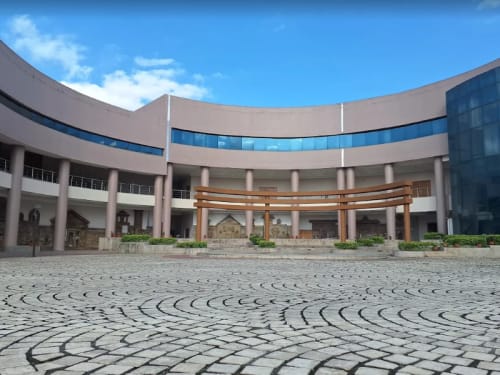
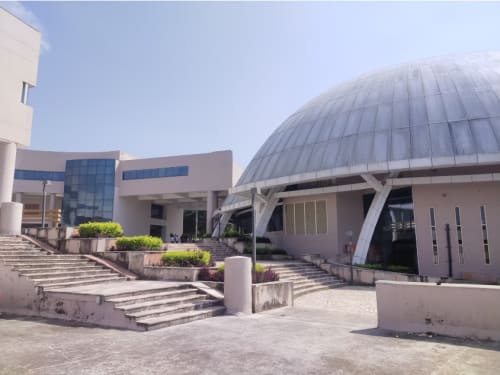
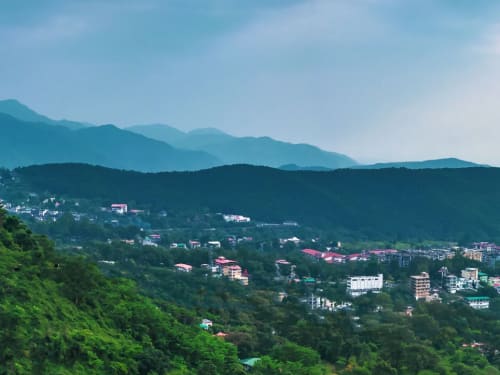
This year, the festival moves to the Himalayan Cultural Centre in Kaulagarh, Dehradun. A state-of-the-art auditorium holds the performances that call for four walls and true acoustics. An open-air amphitheatre holds the ones that don't. And terraces open straight onto views of Mussoorie and the mountains beyond, so the hills stay part of the evening even between acts.
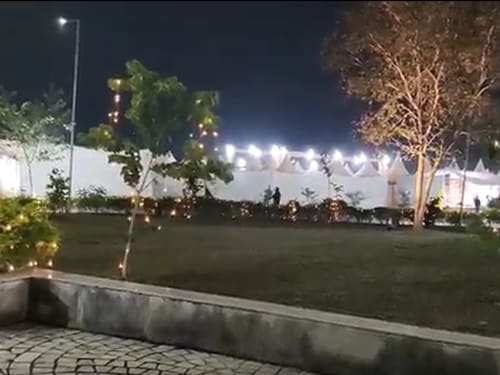
Landscaped grounds give the crafts bazaar and the food festival room to breathe, and to grow with the crowds who come for both. Parking at the adjacent helipad ground means getting here is as easy as the evening that follows.
Virasat isn't moving to a bigger venue. After three decades, it has found one that finally fits, for the youth discovering the festival for the first time and the families who have returned since the very first edition.



October is not far.
The hills will be calling soon.
Open to everyone, all fifteen days. Bring whoever you think should see this.
Plan your visit →Tickets are on sale now.
23 October to 6 November 2026 at the Himalayan Cultural Centre, Garhi Cantt, Dehradun. Choose your days and book online.